As the seasons change, many of us eagerly welcome the arrival of warmer weather and blooming flowers. However, for those who suffer from allergies, the changing seasons can bring a host of uncomfortable symptoms, from sneezing and congestion to itchy eyes and coughing fits. Fortunately, you can take control of your indoor environment by following this comprehensive guide on cleaning your home for allergy season.
Before we dive into the cleaning tips, it's essential to understand the most common indoor allergens that can trigger allergies during different seasons:
Follow these steps to create a healthier, allergy-friendly home environment:
Start by decluttering your living spaces. Remove items that collect dust, such as knickknacks and heavy curtains. Dust surfaces, including shelves, tables, and window sills, with a microfiber cloth or a damp cloth to trap dust effectively.
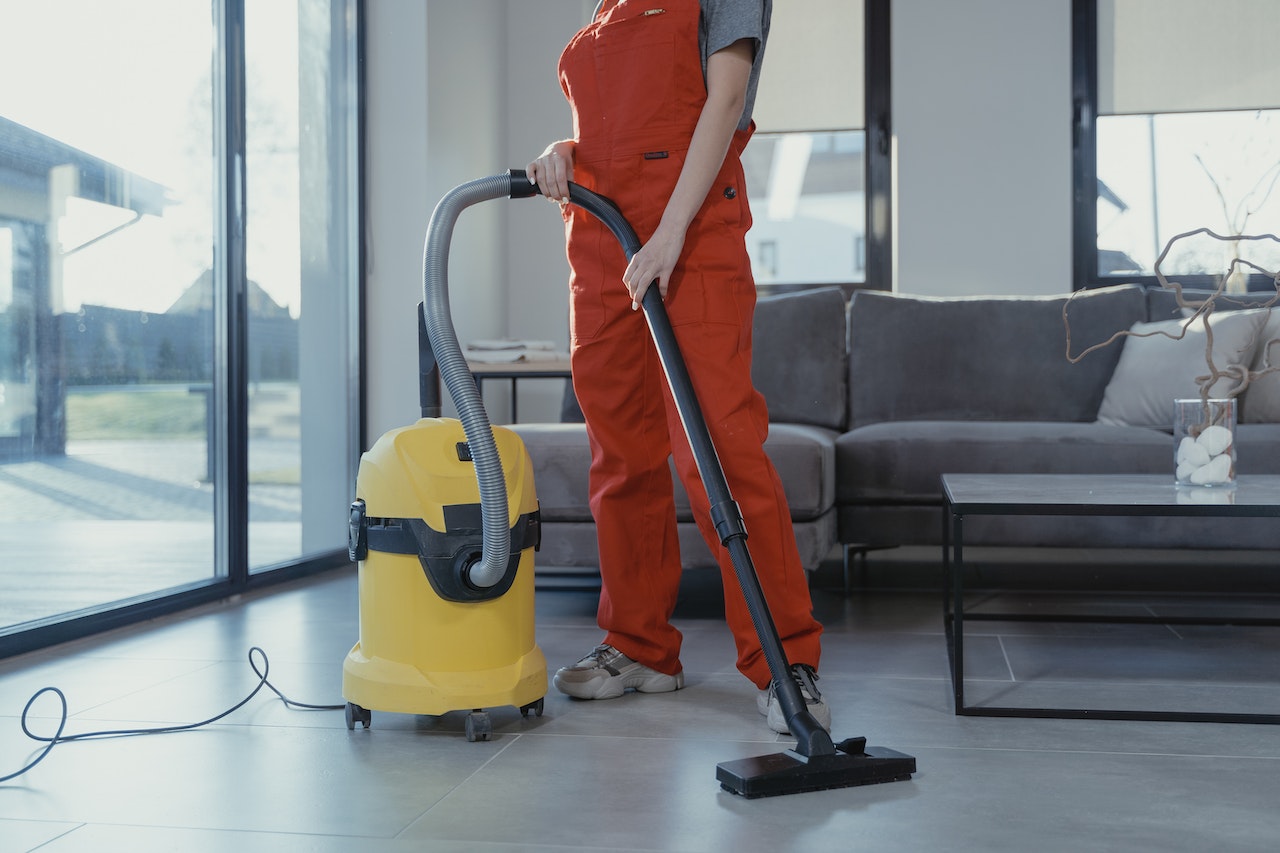
Invest in a vacuum cleaner equipped with a HEPA (High-Efficiency Particulate Air) filter. Vacuum carpets, rugs, and upholstery regularly, paying special attention to areas where your pets spend time
Wash bedding, including sheets, pillowcases, and blankets, in hot water (at least 130°F or 54°C) to kill dust mites. Similarly, launder curtains and drapes regularly.
If you have pets, groom them regularly to reduce shedding and dander. Wash their bedding and toys frequently, and designate specific areas of your home as pet-free zones.
During allergy season, keep windows and doors closed to prevent pollen from entering your home. Consider using air purifiers equipped with HEPA filters to trap airborne allergens.
Inspect your home for signs of mold and mildew, especially in damp areas like bathrooms and basements. Clean and disinfect these areas using appropriate mold-killing products.
Change or clean the filters in your HVAC system and air purifiers regularly. This ensures that they can effectively filter out allergens from the air.
Ventilation is essential to reduce indoor air pollution. Use exhaust fans when cooking and bathing, and consider installing an air exchange system for improved air quality.
Keep cleaning products, paints, and other chemicals stored in well-ventilated areas away from living spaces. Choose non-toxic, VOC-free options when possible.
Invest in hypoallergenic pillows and mattress covers to create a barrier against dust mites and allergens.
By following these cleaning and maintenance strategies, you can significantly reduce indoor allergens and create a more comfortable living environment, not only during allergy season but all year round. A clean and allergen-free home can help you and your family breathe easier and enjoy the changing seasons without the burden of allergies.
Related guides: How Often Should You Wash Sheets, Towels, Pillows and Bedding?, How to Clean a Mattress, How to Clean Blinds and Ceiling Fans the Easy Way
Wash sheets, pillowcases and blankets in hot water of at least 130°F (54°C) to kill dust mites.
A vacuum cleaner with a HEPA (High-Efficiency Particulate Air) filter. Use it regularly on carpets, rugs and upholstery, especially where pets spend time.
Keep windows and doors closed during allergy season and use air purifiers equipped with HEPA filters to trap airborne allergens.
Dust mites, pollen, pet dander, mold and mildew, and indoor air pollution such as smoke, fumes and volatile organic compounds (VOCs).